Building Resilient Lives
The Hope Hero Foundation equips people with the skills to thrive through life's challenges—building resilience, connection, courage, and hope through every stage of the journey.
The greatest gift you can offer someone isn't having all the answers—it's knowing how to show up when they need you most.
When we strengthen resilience, deepen connection, and learn to have courageous conversations, we create more people who know they're not alone.
A training for anyone who has ever loved someone.
The tools & techniques in the course apply to ALL ages.
Learn the exact words, steps, and confidence to support someone before a crisis
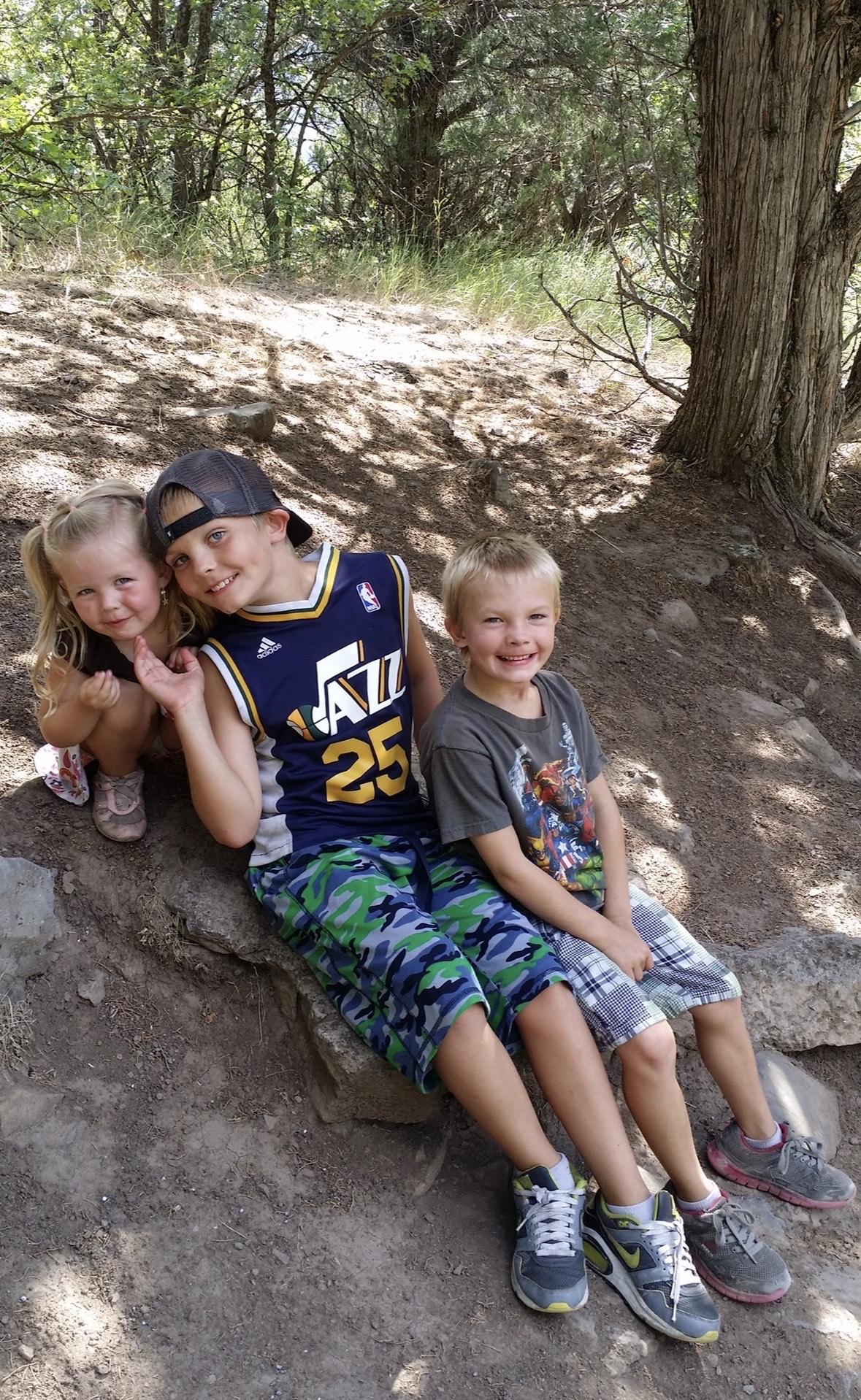
A few years ago, my 7-year old son looked me in the eyes and said:
“I don’t want to be here anymore.”
Everything in me froze.
I didn’t know what to say.
I didn’t know what to do.
I just knew I could not lose him.
Maybe you’ve felt that way —
worried someone you care about is struggling, noticing something is “off,” but unsure how to help without making it worse.
We’re not taught how to have these conversations.
We’re not taught how to notice the signs.
But hope is not passive — hope is a skill.
And you can learn it.
We don't want you to wait for life's hardest moments to begin building courage, resilience, confidence, and connection.
We build heroes before the battle begins.
At some point, someone you care about will struggle.
Not because they’re weak — but because being human is hard.
You don’t need to be a therapist to make a difference.
You just need tools, words, and confidence.
This training gives you exactly that.
If you’ve ever thought:
“What if I miss the signs?”
"What if they aren't showing signs of struggles?
“What if I don’t know what to say?”
“What if I say the wrong thing?”
You are not alone.
Most of us were never taught how to talk about mental health — yet every one of us will one day be needed by someone we love.
This course prepares you to be ready.
WHY THIS TRAINING MATTERS
Suicide prevention normally starts too late.
This training begins sooner — before crisis.
You will learn how to:
Notice emotional distress early
Ask life-saving questions with confidence
Respond with calm, compassion + clarity
Support someone with grounded steadiness
Help strengthen resilience and belonging
Catch someone before they fall
This is not just education.
This is hope in action.
BEFORE
Crisis
Recognize early emotional shifts
Notice subtle warning signs
Be the safe person someone can talk to
DURING Crisis
Ask direct, life-saving questions
Stay calm, grounded, confident
Know exactly what to say
AFTER
Crisis
Support loved ones through recovery + grief
Reconnect, rebuild, restore resilience
Prevent future attempts
WHAT YOU’LL LEARN
6-Part Training Series
1. Introduction to Hope & Prevention
The proactive model of suicide prevention
How to be a safe, trusted person to talk to
2. Myths vs. Facts
What we misunderstand about suicide
Words that protect — not unintentionally harm
3. Recognizing Warning Signs
Emotional, behavioral + situational red flags
Subtle cues almost everyone overlooks
4. What to Say & How to Ask
How to ask directly about suicidal thoughts
How to encourage someone to stay
How to connect them with real support
5. Risk + Protective Factors
What increases vulnerability
How to strengthen resilience & belonging
6. Mindset + Resiliency Tools
How to stay grounded in heavy moments
How to support without carrying the pain alone
📂 YOUR RESOURCE LIBRARY
A full support toolkit for before, during, and after crisis:
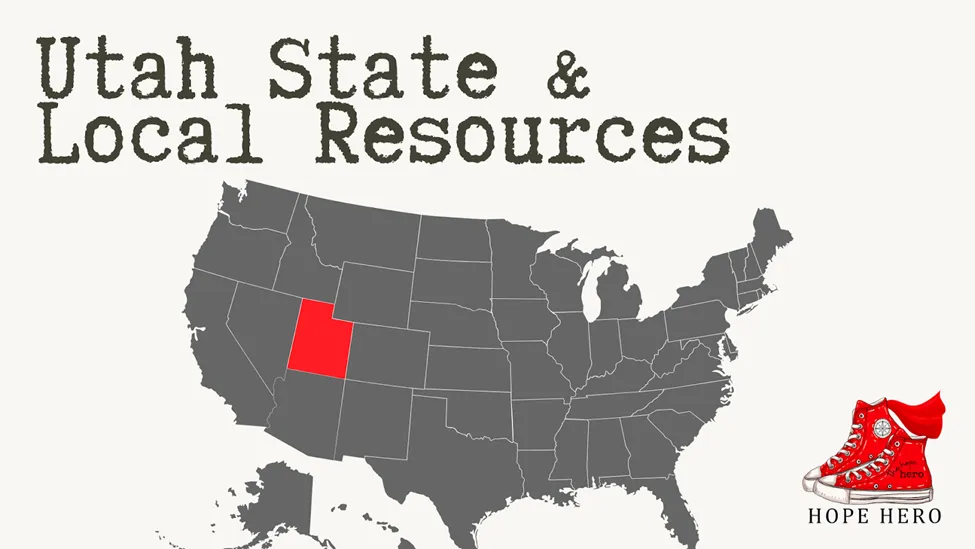
National & Local Crisis Resources
Youth & Family Support Directories
Therapy & Community Services
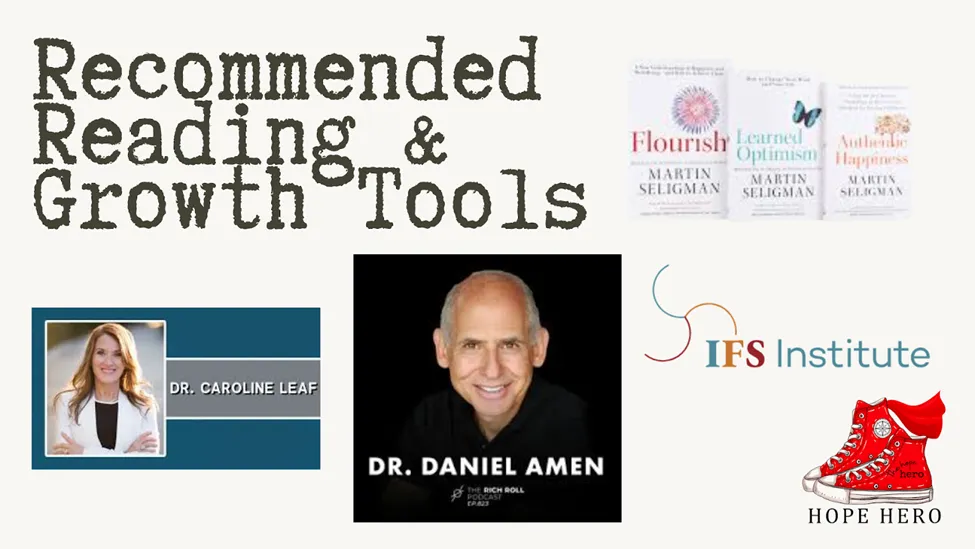
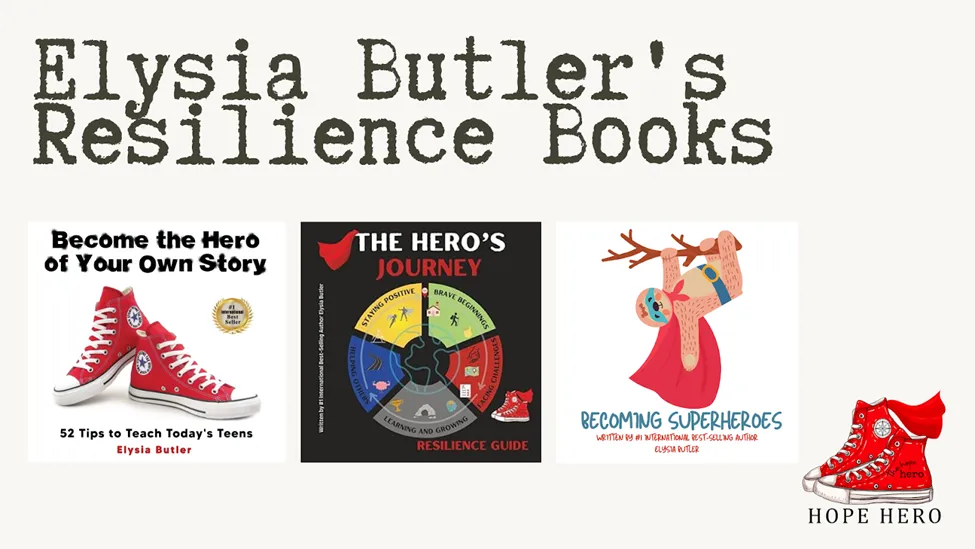
Book + Resiliency Recommendations
Mindfulness & Mental Health Apps
Courageous Conversations Script Guide (17 pages)
QPR Handout — Ask a Question, Save a Life
5 Mindset & Resiliency Tools PDF
5 Questions to Ask After an Attempt or Loss
6 Ways to Support Someone Struggling
Printable worksheets + language scripts
Everything you need — in one place.
Ready when you need it most.
YOU WILL WALK AWAY WITH
Confidence. Clarity. Courage.
You’ll know how to:
Recognize early signs of emotional struggle
Ask direct, compassionate questions
Respond without panic or fear
Offer support through darkness
Connect someone to professional help
Lead with empathy — even in the hard moments
This is leadership.
This is compassion.
This is the work of heroes.
Hope is not passive. Hope is a skill.
You are learning it.
Enroll Now
You are not just learning information — you are preparing to save a life.
Get Immediate Access to the Full Training
6-Part video course
Resource + script library
Lifetime access
Tools you can use forever
Client
TESTIMONIALS
The week I completed this training, I noticed subtle changes in my 11-year-old brother — things I would have completely missed before. Because of what I learned, I recognized the warning signs, asked the right questions, and helped him open up about suicidal thoughts he was hiding.
We were able to get him professional help immediately.
This training didn’t just teach me skills — it helped me save my brother’s life.
Ana

I came into this training hoping to learn how to support other people, but I walked away also knowing how to support myself. The tools, scripts, and mindset strategies helped me understand my own mental health better — especially on the hard days.
Now I not only feel more grounded personally, I feel more confident noticing when others are struggling too. This training didn’t just teach me how to save lives — it taught me how to take care of my own.
Seth
Before this training, I always assumed I would notice if someone I loved was struggling. I didn’t realize how small the signs could be. A few weeks later, I saw those same warning signs in my 22-year-old brother — the withdrawal, the flattening of emotion, the change in sleep and routine.
Because of what I learned here, I knew how to start the conversation, what questions to ask, and how to support him without panic.
I truly believe this training helped keep my brother safe.
Brooklyn
This training doesn’t just give knowledge — it gives courage.